Estaba por ponerlo en algún hilo genérico sobre los soterramientos y hacer un poco de troleo, pero mejor aquí

La línea Chuo entre Tokio y Nagoya discurre por el interior del país a través de los desfiladeros en los Alpes japoneses. Hay varios servicios para hacer un Tokio - Nagoya por el interior (haciendo transbordo son 5 horitas). El caso es que el tramo más cercano a la capital también soporta los servicios de trenes de cercanías que luego se van bifurcando.
El caso es que la vía que parte desde Shinjuku haciendo una curva hacia el oeste y luego en una larga recta de 24km que discurre entre zonas residenciales, durante un tramo (el más externo) lo hace a nivel de calle así que han decidido... elevar la vía

y todos contentos: Son 6,2km en viaducto (2 vías). La obra se está realizando por fases, es por eso que algunas estaciones se están elevando primero para posteriormente conectar el viaducto cuando esté todo terminado.

Noticia traducida por
Quashlo @ Skyscrapercity
Asahi
Locals celebrate Chūō Line elevation
Elevation of the JR Chūō Line between Mitaka and Kokubunji (6.2 km) was completed on December 6, eliminating grade crossings that rarely opened. Officials from local jurisdictions along the line boarded the first train on the new elevated track and celebrated the opening.
According to a December 2006 survey by the Tōkyō Metropolitan Government, crossing arms at all 13 grade crossings on this section remained down for a total of more than 40 minutes during the peak hour of the commute rush. The elevation of the outbound (away from Tōkyō) track was completed in summer 2007, and with the recently-completed elevation of the inbound track, the grade crossings can now be removed.
When the first train on the new tracks—a Tōkyō-bound rapid train departing from Takao—arrived at the new inbound platform at Kokubunji Station on December 7, just as dawn broke around 6:25 am, the crowd of anxious railfans began snapping photographs all at once. Officials from local jurisdictions, including Mayor Inaba Takahiko of Koganei City, as well as representatives from JR, crowded onto the first car of the train—a scene typically observed during the morning rush.
After departing the station to the applause of passengers, the train entered the ramp up to the new elevated structure, located between Kokubunji and the following station, Musashi Koganei. As the train slowly began to climb the grade, passengers applauded again. People in apartments and condominiums along the line watched the train as it rolled past, while passengers looking on the north side from inside the train called the views “refreshing” and “new.”
At 6:40 am, the train exited the new elevated structure, climbing back down to Mitaka Station. Mayors from Musashino City, Mitaka City, Koganei City, and Kokubunji City alighted together, smiling for the cameras. “I’m speechless. With the grade crossings gone, it will be a boon for the development of our communities,” said Musashino City mayor Murakami Morimasa, who boarded at Musashi Sakai Station.
Local jurisdictions and JR are examining ways to use the new land freed up below the elevated tracks.
Koganei City plans on installing bicycle parking and creating two 500 sq m spaces for citizen use. Near Higashi-Koganei Station, the city will also construct a field office.
Musashino City is also planning similar uses for its new land underneath the elevated structure, but is also considering the possibility of running its community bus MooBus as connected routes on both sides of the Chūō Line. The city also hopes that the elevation of the rail line will spur the improvement of north-south roads designated as prefectural routes. JR will also introduce retail tenant space near Musashi Sakai Station.
Vídeos sobre el tema:
Últimos servicios en las vías a nivel de tierra, circulando a contravía etc... mientras preparan las conexiones con el viaducto. Sorprende ver circulando un tren de la serie 201, pensaba que estaban retirados pero todavía circulan los naranjitos. Los trenes siguientes son de la serie E233. Disfruten de la maravillosa megafonía y melodías.
Tren dirección Tokio por la nueva vía, se observan trabajadores en las recién clausuradas vías a nivel de calle. En el 2:50 hay un depósito con trenes aparcados
Fragmento entre Kokubunji y Musashi koganei.
Vista desde la cabina del trayecto entre Kokubunji y Musashi koganei. Se aprecia claramente la rampa del viaducto y la vieja vía.
Y finalmente un vídeo en el que se ven varios servicios local y rápido y como, hacia el final del vídeo, el tren (creo que Local) en el que va subido el que graba espera a un Rápido en el mismo andén que llega unos segundos más tarde y sale primero... algo que aquí... no veremos nunca
Fotos de las nuevas estaciones
http://building-pc.cocolog-nifty.com/
Musashi Sakai


Musashi Koganei


Terminada la elevación entre Kokubunji y Mitaka (6,2km), la estación de Tachikawa (más hacia las afueras) se está preparando para recibir la siguiente fase del viaducto. Los andenes y vías de las estaciones intermedias se están elevando:
Kunitachi, vía 1, trenes hacia Tachikawa, Hachioji y Takao. Se terminó la elevación en enero de 2009


Construcción de un andén central con dos vías laterales


Saludos
👍0👎0


 però prometo acabar la sèrie Tren Bala.


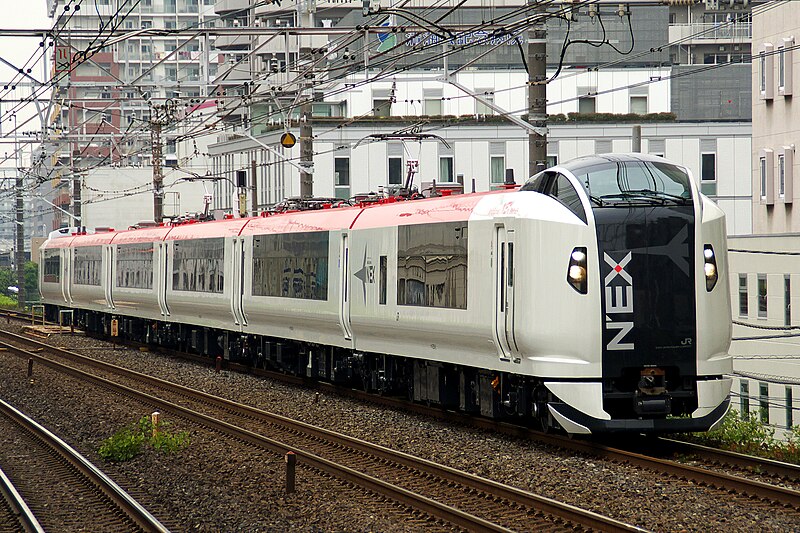


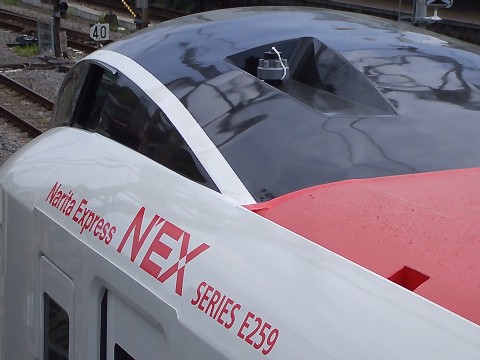
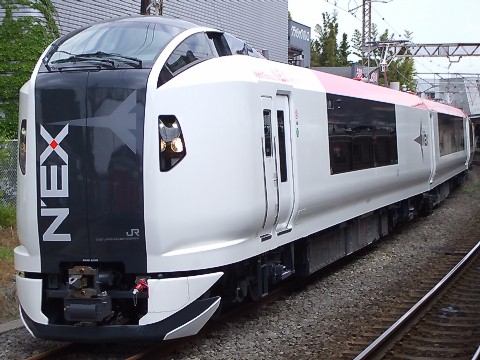


 una llàstima que si desactives l'opció "no anar en Shinkansen" faça que la web pete.